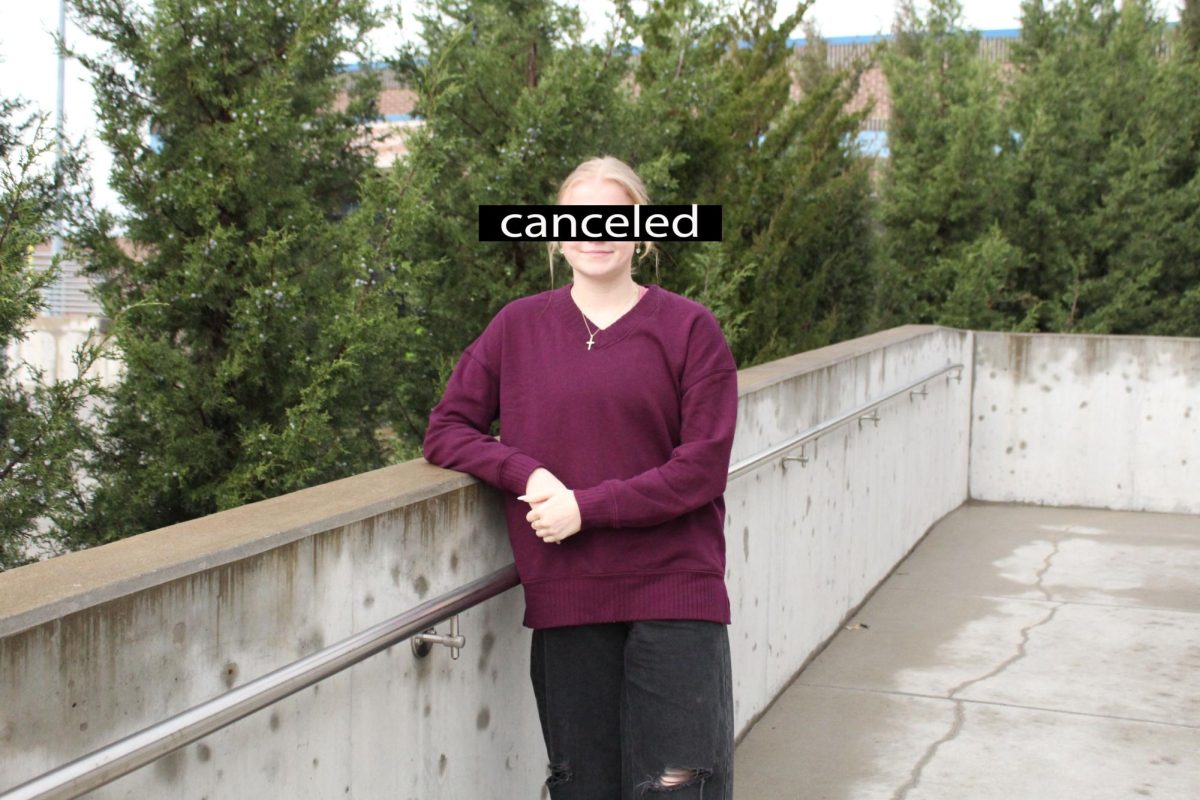
Cancel culture is often used to hold people accountable on social media; however, cancellation has serious repercussions for those affected, possibly ruining careers, causing permanent reputation damage and sometimes severe mental health issues. Cancel culture in schools is often seen as a form of bullying; getting “canceled” can result in losing friend groups, social exile, and becoming an object of scorn within the school community.
JoJo Siwa was popularly cancelled after a disastrous rebrand. Her “bad girl” rebrand led to the downfall of her brand. She lost respect from the entire entertainment industry, millions of dollars from brand deals, as well as artistic credibility, as the song “Karma” that began the rebrand was actually an unreleased track by Brit Smith. This serious lack of accountability led to the
ultimate cancellation by millions of social media users.
On social media, things such as a lack of accountability, liking controversial posts or not agreeing with political opinions that would be ignored face-to-face are vilified to an extreme. On social media, the mob mentality makes decisions before evidence is ever found.
Supporters of the culture often argue that it holds people accountable for harmful behavior, racism, sexism or bigotry when traditional systems fail to do so. However, I believe people are too confident when they can hide behind a screen, leading to bullying rather than accountability.
When students get “cancelled,” it’s often in the form of ostracization. mistakes, often taken out of context, can follow a student throughout high school. In the real world, when someone makes a mistake, it’s viewed as such with appropriate consequences. Conversations online tend to turn into bullying rather than constructive criticism, and social media adds fuel to the fire. There is a line between holding someone accountable and bullying; often, cancel culture crosses that boundary.