

The summer before college can be a difficult transition for some seniors. Many plan on taking a break; however, the summer is a crucial time for rising college students to stay on track for the fall.
The U.S. Department of Education reports 10 to 20% of college-eligible students give up on college during the summer before they are set to begin. Many of these students are low-income and may lack the resources to prepare for enrollment.
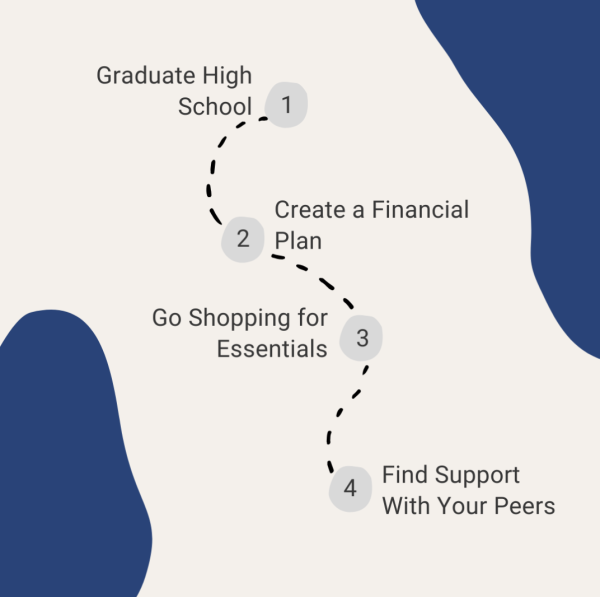
Despite the challenges, Liberty graduates can take these three key steps to stay on track before the August move-in day: tackling finances, buying supplies and finding support.
Create a Financial Plan
According to the Education Data Initiative, the average annual cost of attendance (tuition, fees, room and board) is roughly $25,000–$30,000 per year at a four-year public in-state institution and can be over $58,000 at private non-profit universities. After grants and scholarships, students usually pay closer to $20,780 a year for public universities.
To build up savings, many students take summer jobs in the Liberty area at places such as Hy-Vee, Liberty Parks & Recreation programs, or the Mid-Continent Public Library. Businesses such as Chick-fil-A hire students and pay a minimum of $15 an hour.
Through SchoolLinks, students can explore scholarships and grants suited to their goals under the Scholarship Matching and College Financing tab located under College.
“I think it’s important for all high schoolers to get a summer job so they can be more independent after high school,” sophomore Marlee Showalter said.
Go Shopping for Essentials
Once students know what their accommodations will look like, they should make a checklist of all remaining tasks, such as housing deposits, health forms, placement tests and orientation sign-ups, alongside a shopping list.
Students staying at home will mainly need traditional school supplies such as pens, pencils, notebooks, textbooks and electronics. For students moving into a dorm, an additional list of living supplies, such as clothing, linens (check your bed size first) and hygiene items, will be necessary.
“Make sure you have shower shoes, you will find out very quickly how nasty community bathrooms are. If your school allows an air fryer, bring one, you can make anything in an air fryer,” coach Grant Brown said.
Communicating with roommates early can prevent duplication of items and can help students keep down the cost.
“Since my roommates and I are splitting a quad, we will each have our own room, and we will be splitting our bathroom supplies. Things can get really expensive, so communicating what we’re each bringing is really important,” senior Rilee Jessee said.
Find support
In addition to preparing academically and financially, staying connected with peers and the community can help ease the transition to campus life. Students who feel doubts over the summer may feel they have no one to turn to in these key transition months. Finding mentors before graduation is key to feeling supported before college.
“Lean in to your parents or a trusted family member, build a support group with your peers, you’re always welcome to reach out to former teachers for words of advice,” ELA Teacher Emily Lawler said.
For first-generation or lower-income students, simply having someone to answer questions or encourage them to follow through on their plans can make the difference between actually attending and melting away.
Before counselors leave for the summer, students who are unsure about their plans can schedule a final check-in to review their enrollment status and next steps.